AI Hype Meets Reality: Zuckerberg’s Glasses Demo Fails and a Cartoon on Cognitive Decline
As the chatter around artificial intelligence grows louder, one thing remains stubbornly consistent: the line between promise and practice is long and bumpy. This week, Meta’s attempt to showcase an AI-powered experience—its new Ray-Ban smart glasses—played out more as a cautionary tale than as a triumph. The demo stalled on stage as Mark Zuckerberg struggled to complete a video call through the glasses, muttering that he didn’t know what to tell the audience as the tech refused to cooperate. The moment echoed a familiar pattern: dazzling products teased by slick marketing can falter when real-time context, network reliability, or subtle UI quirks get in the way. The takeaway? The AI revolution will not arrive on cue; it lands in fits and glitches that reveal what still needs to be fixed.
The scene was less a victory lap and more a confession that even leaders of the tech world are susceptible to the frailty of imperfect tools. The audience remained forgiving, perhaps because the incident resonated with common experiences—phone calls dropping, apps failing to connect, or a smart device misinterpreting a command. What happened on that stage is a microcosm of the broader AI journey: the tech is powerful and inspiring, yet it still requires engineering that is less flashy and more robust. If anything, the moment offered a crucial reminder that AI devices must earn trust through reliability, not just through impressive demos or clever slogans about “superintelligence.”
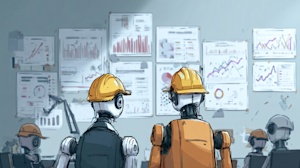
Meanwhile, a parallel thread ran through media and culture: a cartoon by Madeline Horwath that questions AI’s cognitive footprint. The artwork — a witty, pointed comment on AI chatbots and memory — nods to a growing unease about how we lean on automated systems for problem-solving and memory tasks. As chatbots grow smarter, so do concerns about cognitive decline or at least cognitive delegation. Will we outsource more mental work to algorithms at the expense of our own recall, judgment, and critical thinking? The cartoon suggests a world where convenience and efficiency tempt us into delegating not just tasks but thinking itself to digital assistants. It’s a reminder that technology’s social and psychological implications deserve as much attention as its technical milestones.
For readers following the AI beat, the two threads converge on a single point: the hype cycle around artificial intelligence is real, and the public conversation needs balance. Yes, the pace of progress is exhilarating; yes, the potential to transform business, science, and daily life is enormous; but the glitches, the misfires, and the cultural reflections remind us that AI is not magic. It is software, hardware, data, and human systems that must align. Thoughtful product design, resilient infrastructure, and transparent communication will determine which AI tools become trusted companions and which remain distant, aspirational prototypes. In short, the future of AI will be defined by how well we fix the bugs, how deeply we interrogate our own use of automation, and how honestly we confront the unintended consequences of algorithmic decision-making.
As we close this edition of the AI News digest, the message is clear: celebrate the breakthroughs, but remember that reliability and responsibility matter just as much as novelty. Demos will stumble; cartoons will spark debate; and real-world adoption will require steady iteration. If you want to stay ahead in AI, follow not only the headlines about superintelligent machines but also the quiet improvements in user experience, safety, and ethics that make these powerful tools genuinely useful in everyday life.
Sources
- Zuckerberg hailed AI ‘superintelligence’. Then his smart glasses failed on stage by Matthew Cantor
- Madeline Horwath on AI chatbots and cognitive decline — cartoon by Madeline Horwath