AI’s Promise and Peril: Jobs, Health Care, and the Augmentation Debate in 2026
AI is reshaping our world across work, health care, and online culture, raising questions about who benefits, who bears the risks, and how we regulate this fast-moving tech.
In the UK, a Randstad survey finds that 27% of workers fear their jobs could disappear in the next five years due to AI, while 66% of employers say they have invested in AI in the past year and more than half of workers (56%) report rising workplace use of AI tools.
Meanwhile, in healthcare, the push to deploy generative AI in routine care is stirring concern about who gets to benefit and who pays the price. A recent analysis notes clinics serving low-income and unhoused patients are being targeted by AI-enabled systems that listen to conversations and propose diagnoses, potentially edging doctors out of the visit. Critics warn that testing such tools on vulnerable populations risks widening health inequities and eroding trust.
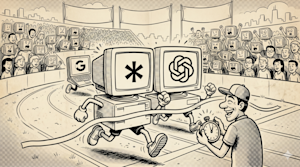
OpenAI’s ambition under Sam Altman continues to stretch resources and imagination. Plans for vast datacenters, multibillion-dollar chip deals, and a broader push into e-commerce, healthcare and entertainment signal a future where AI products become a default part of daily life—and where energy consumption could rival that of whole nations.
Experts argue that AI must augment human work rather than replace it, or risk losing social acceptance. Commentators urge a careful dialogue with workers and unions to ensure tech serves people, not the other way around, echoing calls for responsible deployment as AI becomes embedded in workplaces and public services.
The online world complicates matters further. Amelia, an AI-generated British schoolgirl avatar created to counter extremism, has instead circulated as a far-right meme in certain corners of the internet. Her image demonstrates how AI-generated content can be repurposed to influence political discourse, underscoring the need for safeguards, media literacy, and clear accountability for AI systems that shape public perception.
Taken together, these threads form a single story: AI’s capacity to improve lives and threaten them at the same time depends on human choices—how we design, regulate, and govern the technology, and who gets to steer its future.
- Randstad UK AI job fears and adoption data
- AI in healthcare risks for low-income patients
- Sam Altman and OpenAI expansion
- AI augmentation vs replacement in the workplace
- Amelia: AI-generated schoolgirl as far-right meme