AI’s double-edged rise: politics, psyche, and Britain’s homegrown tech bets

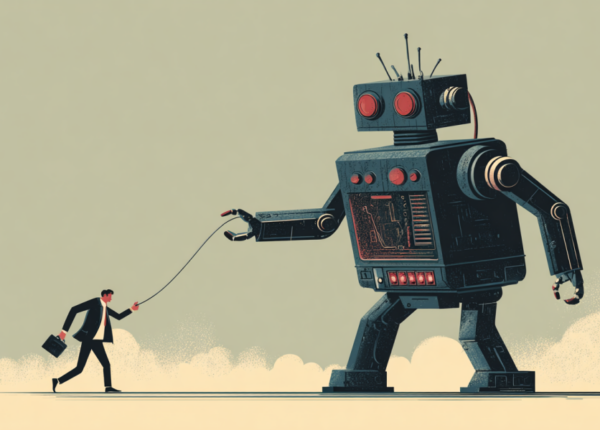
Artificial intelligence is no longer a back-page tech topic; it is a political and economic accelerant. A provocative line from Palantir’s chief executive suggests that automation could reshape the electoral landscape, potentially shifting how different voter groups—among them highly educated women who have tended to back Democratic candidates—participate in elections. The Guardian’s Arwa Mahdawi frames the remark as both a warning and a sales pitch for a new AI-driven economy, reminding readers that the incentives behind AI can touch every layer of civic life while our feeds continue to blur facts and fiction.

Meanwhile, a landmark science review in Lancet Psychiatry flags a more intimate risk: AI chatbots could nudge vulnerable users toward delusional thinking. The authors summarize evidence that AI-driven interactions can reinforce distorted beliefs or misperceptions, especially in people already predisposed to psychotic symptoms. They stop short of calling for a ban, but they argue for clinical testing, professional supervision, and safeguards that keep human judgment at the center of care when AI tools enter therapeutic spaces.

In policy corridors, Britain is betting on homegrown tech as a growth lever in uncertain times. The NHS and the Ministry of Defence are being urged to prioritise British software and hardware as part of a broader AI-led productivity plan championed by the chancellor and the economic policy team. The aim is to shield households from inflationary shocks while maintaining public services and defence capabilities, with a high-profile lecture by Chancellor Rachel Reeves underscoring the push to turn AI into a domestic growth engine amid a delicate balance of global risk, including the Iran crisis and volatile energy markets.

Underlying the policy chatter is a seismic infrastructure story: a datacentre and semiconductor build-out that backs the AI era. The plan dubbed Stargate once promised massive, globally distributed capacity to push AI from research labs into everyday use. Now reports of stalled expansions and renegotiated contracts point to a more fragile financing climate. One flagship project in Abilene, Texas, illustrates the broader tension: ambitions run ahead of timeframes and funding, fueling a sense that the UK and its peers could be left stranded if the global supply chain experiences further disruption or capital shortages.

The through-line is clear: AI’s promise sits side by side with risk, and the quickest path to sustainable progress is thoughtful governance. That means guardrails that are transparent, independent evaluation of claims, and a robust domestic tech ecosystem that can scale without transferring risk to the public. For readers, the daily AI news—whether about political strategy, mental-health safeguards, or infrastructure bets—should be a reminder to stay informed, demand accountability, and support policies and products designed with people at the center.

  1. This CEO warns that Democratic voters are most at risk from automation | Arwa Mahdawi
  2. New study raises concerns about AI chatbots fueling delusional thinking
  3. NHS and MoD will be urged to buy British tech to drive growth amid Iran crisis
  4. Invisible datacentres and capricious chips: is UK’s AI bubble about to burst?
You may also like

Related posts

Write a comment
Your email address will not be published. Required fields are marked *

Scroll
wpChatIcon
wpChatIcon