Inside Tech’s Friendly Media Bubble: How Silicon Valley CEOs Shape the Narrative
In an era of rising distrust of big tech, Silicon Valley is quietly building a parallel media ecosystem where the chief executives become the stars of their own shows. The aim is not only to share a company update, but to shape perception through intimate, cinematic narratives that feel almost personal—yet are carefully engineered for reach.
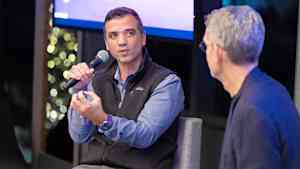
One high-profile example is a recent interview with Palantir’s Alex Karp on the Sourcery show, a YouTube series produced by Brex. The segment leans into a friendly tone: a cinematic montage to introduce the guest, a guided walk through Palantir’s offices, and a conversational rhythm that sidesteps hard questions about the company’s ties to ICE while foregrounding a mission-driven persona. The intro even features a driving soundtrack built around a remix of AC/DC’s Thunderstruck, signaling a blockbuster energy as the guest speaks.
Throughout the piece, Karp is presented as a principled entrepreneur who trusts his team and his data, not a political symbol. He reportedly brandishes a sword during the segment and leans into personal lore, describing how he exhumed the remains of his childhood dog Rosita to rebury them near his current home. The performance is part marketing, part narrative theater, designed to blur the lines between CEO interview and cinematic biography.
Host Molly O’Shea frames these moments as candid and human, inviting the audience to see leadership behind a curated image. In practice, this is part of a broader shift: big tech leaders building their own media channels to win the narrative battle online, where the metric is engagement and sentiment as much as quarterly results.
For readers, the rise of these friendly-media ecosystems raises important questions. Is trust earned through entertaining storytelling or through transparent, critical journalism? As audiences chase the next story, media literacy becomes a shield: diversify sources, cross-check claims, and recognize when a company-led show is selling a point rather than presenting a debate.
As the industry evolves, the line between entertainment and accountability grows blurrier. Watch for more shows, production values, and star-powered interviews that promise a human face for huge platforms—yet require readers to stay vigilant and curious about who benefits from the narrative. The future of tech coverage may be less about headlines and more about the stories we allow to shape our understanding.
Related posts
-
AI News Roundup: Memory, Regulation, and the Leadership of AI
Today’s AI news paints a picture of an industry moving from flashy breakthroughs to deeper, more consequential shifts...
23 October 202518LikesBy Amir Najafi -
AI’s Everyday Impact: Safeguards, Schools, and Enterprise in 2025
As 2025 unfolds, AI is moving from headline news to everyday life in tangible ways. Across safeguards, education,...
26 August 202576LikesBy Amir Najafi -
AI News Roundup: Humanoid Robots, Agentic Tools, and Creative Frontiers
AI is no longer a niche tech topic confined to laboratories and startup showcases. This week’s digest threads...
2 October 202521LikesBy Amir Najafi