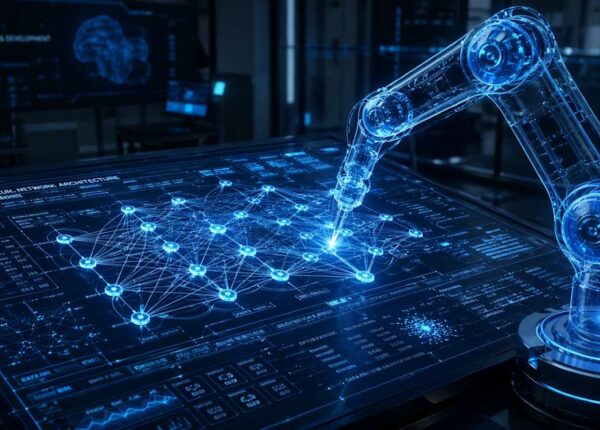
As AI accelerates into the mainstream, the tech world is testing not only what machines can do, but how they should coexist with humans. Nvidia’s latest push frames humanoid robotics as a three-part package — the brains, the body, and the training ground — a signal that AI-powered automation is moving from software to embodied systems that can operate in the real world. In parallel, enterprises are looking to tools like ServiceNow’s AI Experience, which promises instant access to AI agents for voice, image, and data tasks, turning intelligent assistants into everyday business partners.
But the cultural and creative sectors are wrestling with deeper questions. The idea of AI actors and synthetic performers has drawn fire from unions and studios alike, as seen in SAG-Aftra’s condemnation of AI talent like Tilly Norwood and concerns over ‘stolen performances’. Even the craft of writing and punctuation is caught in the crossfire, with pieces about AI-labeled prose noting how em dashes are being read as signs of machine authorship—sparking debates about authenticity, craft, and the erosion of livelihood for writers.
Beyond the courtroom and the newsroom, thinkers like Jacy Reese Anthis warn that AI personhood could reshape daily life as digital minds become more persuasive and intimate. News about GPT-5 and the human-like tendencies of chatbots underscores the psychological impacts as millions turn to AI companions for companionship, help, or even solace, raising questions about safety, safeguards, and the long arc of digital rights.
The economic and policy landscape is equally complicated. Reports on AI copyright and data mining exemptions illuminate tensions between fostering innovation and protecting creators. The Productivity Commission’s debates in Australia reveal how policymakers struggle to balance access to data for AI training with fair compensation for artists, a friction echoed by voices like Adam Briggs who remind us that culture—and who gets paid for it—matters to communities.
As this daily ai news cycle continues to unfold, readers should watch how industry players, unions, and regulators navigate these converging trends. The coming months will likely blend new robotic capabilities with evolving norms about authorship, personality, and personhood, shaping a future where technology amplifies creativity rather than eroding it. For a deeper dive, here are the key sources behind today’s synthesis.
- Nvidia pushes humanoids, physical AI with new tools — AI Business
- ServiceNow unveils AI Experience with agentic features — AI Business
- My petty gripe: not only am I losing my livelihood to AI – now it’s stealing my em dashes too — The Guardian
- Emily Blunt and Sag-Aftra join film industry condemnation of ‘AI actor’ Tilly Norwood — The Guardian
- It’s time to prepare for AI personhood | Jacy Reese Anthis — The Guardian
- Tilly Norwood: how scared should we be of the viral AI ‘actor’? — The Guardian
- OnlyFans, AI girlfriends and ‘stepdads’: the porn industry in 2025 – podcast — The Guardian
- Productivity commission under fire for failing to consult Australian artists about copyright issues around AI recommendations — The Guardian
Related posts
-
AI Safety Alerts, Politics and the Road to AI-Powered Cars
AI Safety Alerts, Politics and the Road to AI-Powered Cars From a legal case to daily conversations with...
2 September 2025120LikesBy Amir Najafi -
AI News Roundup: Grok, runtime attacks, and the new era of enterprise AI
As 2026 unfolds, AI headlines are weaving together a global conversation—from governance and safety to the rapid ascent...
9 January 202669LikesBy Amir Najafi -
Microsoft rolls out in-house AI trio as Arcee opens Trinity-Large-Thinking and global AI moves
Microsoft's AI trifecta and the race toward independence In a week that underscored the shift from hype to...
3 April 202617LikesBy Amir Najafi